“Coffee Farmers” search results (11200)
History of coffee in Rwanda
The Rwandans of origin have been growing coffee since colonial times, but until 1999, its products were still classified as below Class C and were not popular in the global market. The reason for the poor quality is that farmers do not have a fixed procedure for washing coffee beans and do not process coffee fruits according to specifications in time. Buyers buy coffee beans at $0.33 per kilogram, and farmers rely on the meagre profits earned at low prices.
2016-05-31 Rwanda Coffee History Origin Human colonization Times from Open
Shenzhen is a fair trade "wasteland" to drink fair coffee in Hong Kong
In fact, fair trade is what farmers should give, and it is a reasonable return for farmers to pay what they deserve. This is not a kind of 'help' but a kind of 'fairness'. It is not that we give more than before, but that we give too little.
2014-06-05 Fair Coffee Shenzhen Fair Trade Hong Kong Fair Trade
Rwanda Coffee Flavor treatment method
Rwandans have been growing coffee since colonial times, but until 1999, its products were still classified as below Class C and were not popular in the global market. The reason for the poor quality is that farmers do not have a fixed procedure for washing coffee beans and do not process coffee fruits according to specifications in time. Buyers buy coffee beans at $0.33 per kilogram, and farmers keep warm by the meagre profits earned at low prices.
2016-05-27 Rwanda Coffee Flavor treatment method way Renzi colonization time
Pu'er Coffee Capital: tea is Life Coffee is Business
In 2007, as an important post station on the ancient tea-horse road and one of the important producing areas of Pu'er tea, Simao City, Yunnan Province, was renamed Pu'er City, so that people can live up to its name. But according to this logic, in the near future, people are likely to call it the coffee market. Like many places in Yunnan, Pu'er gives people the first impression of those ubiquitous mountains. There is no good when the car passes through it.
2014-04-27 Pu'er Coffee Capital Life Business 2007 as Tea and Horse Road
Yega chiffon Wauka flavor
Yirgacheffe coffee raw bean is one of the most distinctive coffee in the world, rare and expensive, produced in the highlands of Ethiopia's sidamo province (4000 feet above sea level). It is an outstanding representative of washed coffee in Africa, with unique citrus and lemon fruit aromas, jasmine aromas, moderate roasting and soft acidity, deep roasting.
2016-08-31 Yega Chefe Wauka Flavor Chevy Yirgacheffe
Introduction to the flavor and taste characteristics of Malaba coffee in southern Rwanda
Rwandans have been growing coffee since colonial times, but until 1999, its products were still classified as below Class C and were not popular in the global market. The reason for the poor quality is that farmers do not have a fixed procedure for washing coffee beans and do not process coffee fruits according to specifications in time. Buyers buy coffee beans at $0.33 per kilogram, and farmers keep warm by the meagre profits earned at low prices.
2016-07-01 Rwanda South Malaba Raba Coffee Flavor Taste characteristics introduction essence
VOA's report on Chinese Coffee
I also think of what Chris, one of the bosses of first Coffee, said yesterday: the reason why Chinese coffee practitioners have low average status, low salary and low quality is caused by misconceptions in their own country. How can the salary of a barista be high if the cafe is not profitable? It's not like a cafe in Australia selling thousands of cups a day! The baristas there certainly make a lot of money from his words until now.
2016-06-14 VOA China Coffee report
Jane Goodall Fair Trade blend Coffee Italian blend Coffee beans
Billions of small-scale farmers in developing countries live on less than $2 a day. They find it difficult to support their families, send their children to school and keep their land. Fairtrade support and resources lift farmers out of poverty and invest in their communities. In the field of boutique coffee, great efforts have been made to test and study the varieties, harvest and treatment methods of coffee. For example, Tim will spend
2016-07-16 Jane Gu Doyle Fairness Trade blending Coffee Italian Coffee beans billion Development
Rwanda Coffee Flavor
Rwandans have been growing coffee since colonial times, but until 1999, its products were still classified as below Class C and were not popular in the global market. The reason for the poor quality is that farmers do not have a fixed procedure for washing coffee beans and do not process coffee fruits according to specifications in time. Buyers buy coffee beans at $0.33 per kilogram, and farmers keep warm by the meagre profits earned at low prices.
2016-08-30 Rwanda coffee flavor characteristics people since colonization times from open
Philippine Cat poop Coffee helps Farmers get Rich
Filipino farmers who grow coffee once tried to kill civets because they stole coffee fruits and later found that civets could help them make a lot of money. We never dreamed that we could make money from them. Rustico Montenegro told Agence France-Presse. The 44-year-old began picking up coffee beans from civet droppings a few years ago. Civet cats live in the jungle and inhabit trees.
2014-06-28 Cat droppings coffee beans civets.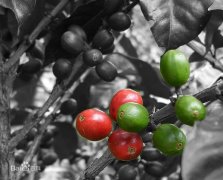
Boutique Coffee small Farmers in Lake Titicaca, Bolivia
South America is rich in coffee beans, and Bolivia is no exception. The unique tropical rain forest environment in some parts of Bolivia provides excellent natural conditions for the growth of organic coffee. The aroma of Bolivian coffee is rich and unique, both the aroma of ground beans and the aroma of coffee are obviously rich, similar to the mixture of flower and fruit aroma, which is impressive.
2016-06-15 Boutique specialty coffee Bolivia Lake Titicaca Tupa Panas small farmers
Province of Cajamarca, Peru (Cajamarca)
Located in northeastern Peru, CENFROCAFE is a non-profit small farmers' cooperative to help as many as 2,000 farmers manage the production of coffee, cocoa and other crops, improve their quality and help farmers promote their products to the international market.
2014-06-19 Coffee knowledge Peruvian Coffee Coffee Encyclopedia
Coffee production in Yunnan plummeted by 40% in 2013-2014
In late March, the coffee bean harvest season of 2013-2014 is coming to an end. Under the impact of natural disasters and sudden changes in prices, the confidence of Yunnan farmers has been undermined. Some farmers have given up picking and their output has plummeted by 40%.
2014-06-03 Coffee news coffee production Yunnan coffee production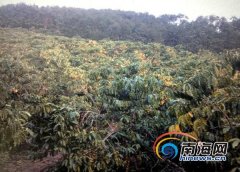
Baisha more than 300,000 jin of coffee beans have not been bought into hot potato coffee farmers are looking for buyers.
Baisha Coffee growing in Hainan Baisha Crater (reporter remake) Baisha Coffee growing in Hainan Baisha Crater (reporter remake) original title: Baisha more than 300,000 jin coffee beans unbought coffee farmers bitter looking for buyers growing in Hainan Baisha Crater White sand coffee, because of coffee flavor, good taste, it was once a favorite in the market
2015-01-08 White sand ten thousand jin coffee beans no one buy hot potato coffee farm bitter buyer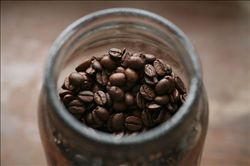
Characteristics of coffee beans in Rwanda planting methods of coffee beans in Rwanda
Rwandans have been growing coffee since colonial times, but until 1999, its products were still classified as below Class C and were not popular in the global market. The reason for the poor quality is that farmers do not have a fixed procedure for washing coffee beans and do not process coffee fruits according to specifications in time. Buyers buy coffee beans at $0.33 per kilogram, and farmers keep warm by the meagre profits earned at low prices.
2016-05-08 Rwanda coffee beans characteristics cultivation methods people colonization times
The Historical Origin of Rwandan Coffee
Historical editors originate that Rwandans have been growing coffee since colonial times, but until 1999, its products were still classified as below Class C and were not popular in the global market. The reason for the poor quality is that farmers do not have a fixed procedure for washing coffee beans and do not process coffee fruits according to specifications in time. Buyers buy coffee beans at $0.33 per kilogram, which farmers earn at low prices.
2016-06-01 Rwanda Coffee History Origin Editor Human self colonization
VOA reports on coffee in China The status of coffee practitioners in China
Chris, one of the owners of the "first coffee" yesterday, said: The reason why the average status of Chinese coffee practitioners is low, the salary is low, and the quality is low is caused by the wrong ideas of the country. Coffee shops are not profitable. How can baristas earn high salaries? It's not like coffee shops in Australia selling thousands of cups a day! Of course the barista there makes a lot of money.
2016-07-28 VOA China Coffee Reporting Practitioner Society Status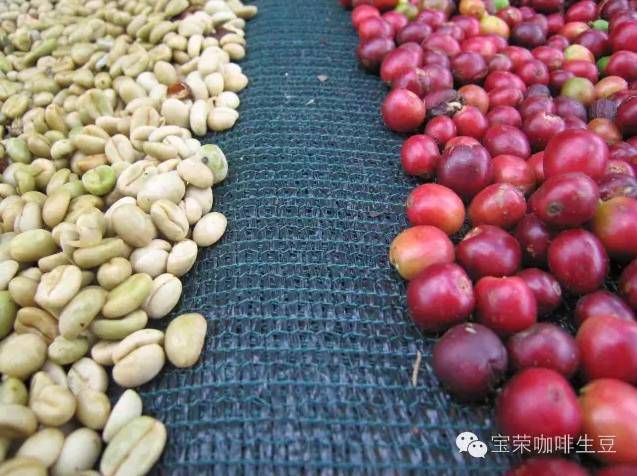
Worka Woka cooperative Ethiopia Yega Xuefei G1 snow coffee native species Waka Worka single product
Processed by the Waka Cooperative (Worka cooperative). Alemayehu Alako Farm is a member of the Waka Cooperative. The Waka Cooperative, located in the south of Gedeb District, was founded in 2005, and joined the famous Yejia Sheffield Coffee Farmers Cooperative Union (YCFCU,Yirgacheffe Coffee Farmers Cooperative Union) that year to produce high-quality sunburn.
2016-07-28 Worka Waka Cooperative Ethiopia Yega Sheffield Grade Snow Native
Brazilian coffee production plummets, Yunnan curry farmers hoarding goods are bullish.
Recently, the news on Weibo that the global supply of coffee beans has shrunk sharply and coffee prices will rise all the way has attracted everyone's attention. Some netizens who usually like to drink coffee say they want to buy some coffee beans to store them, while others think that Yunnan farmers can finally get a higher annual income. So will the price of coffee rise this year? Does it cost more to drink coffee at the retail terminal? The reporter carried out this.
2014-12-08 Brazil coffee production sharp decline Yunnan Cajun hoarding bullish recent Weibo
Unique Indonesian Civet Coffee Flavor Taste Manor Region Fine Coffee Bean Introduction
Teguh Pribadi, founder of the Indonesian Civet Coffee Association, insists that mislabeling Indonesian civet coffee from wild civets is not common and may be an isolated case. Lin Yijun, who once kept civets in captivity, believes that farmers and civets are mutually beneficial symbiosis, civets are their economic source, and if they are abused as a means of making money, civets are in poor health.
2016-08-11 Flavor Unique Indonesia Musk Coffee Taste Manor Region Fine Coffee Bean